

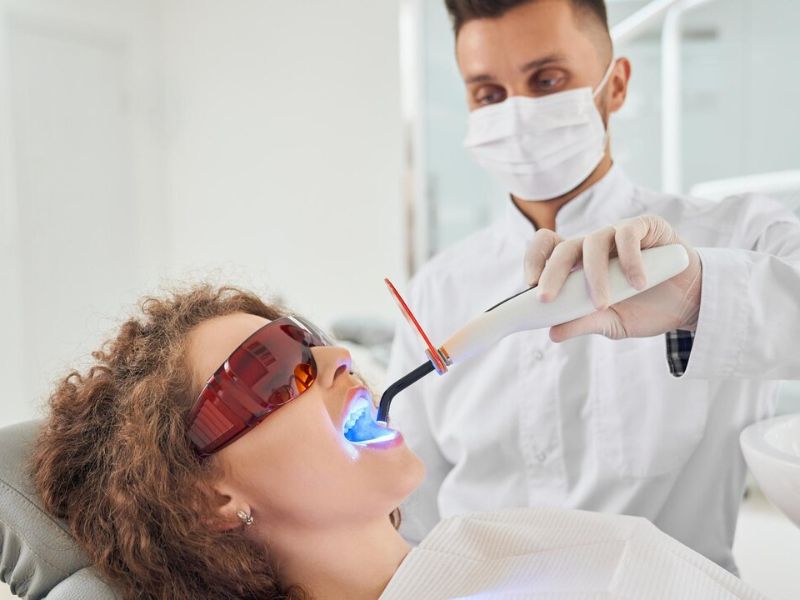
Many people want whiter teeth but worry about sensitivity. If you have sensitive teeth and want to know about the best whitening treatment for sensitivity, this guide has answers. Teeth whitening is possible even if your teeth are sensitive. Understanding your options and taking precautions helps you whiten your teeth safely and comfortably. This guide explains how to whiten teeth without pain.
What Causes Sensitivity During Whitening?
- Tooth sensitivity happens when whitening chemicals get close to the nerve inside your tooth. This causes discomfort or sharp pain.
- Whitening works by opening tiny pores in your tooth enamel. This allows the whitening gel to reach deeper layers. Unfortunately, this also allows sensitivity-causing stimuli to reach the nerve.
- The good news is that sensitivity from whitening is temporary. It goes away when treatment stops.
Professional Whitening for Sensitive Teeth
- Teeth whitening in Windsor dentist offices offer special treatments designed for sensitive teeth.
- Your dentist can use gentler whitening formulas. These work more slowly but are easier on sensitive teeth.
- Your dentist at a dental clinic near you applies a protective barrier to your gum line before whitening. This protects sensitive areas from the whitening gel.
- Your dentist uses a lower concentration of whitening gel. Weaker gel causes less sensitivity while still whitening your teeth.
Steps to Reduce Sensitivity During Whitening
Reduce sensitivity after whitening by following these important steps.
Use Sensitivity Toothpaste Before Whitening
Start using sensitivity toothpaste two weeks before your whitening appointment. This fills tiny holes in your tooth and reduces sensitivity.
Get a Fluoride Treatment
Ask your dentist for a fluoride treatment before whitening. Fluoride strengthens enamel and reduces sensitivity.
Avoid Acidic Foods and Drinks
Avoid coffee, tea, wine, and citrus fruits for 24 hours before whitening. Acid weakens enamel and increases sensitivity.
Apply Desensitizing Gel
Your dentist can apply a desensitizing gel to sensitive areas before whitening. This blocks sensation from reaching the nerve.
At-Home Whitening for Sensitive Teeth
At a dental clinic in Windsor, your dentist can create custom whitening trays designed for sensitive teeth.
- Custom trays fit your mouth perfectly. They keep whitening gel on your teeth and off your gums. This reduces sensitivity.
- Your dentist provides you with lower-concentration whitening gel. This is gentler than store-bought products.
- You whiten gradually at home. Slow whitening over time causes less sensitivity than rapid in-office whitening.
Managing Sensitivity During Whitening
- Even with precautions, some sensitivity might happen. Here is how to manage it.
- Wear your whitening trays for shorter periods. Instead of the recommended time, wear them for half that time.
- Take breaks between applications. If you are doing at-home whitening, take a few days off between applications.
- Use sensitivity toothpaste during whitening treatment. Keep using it after treatment stops.
- Avoid very hot or cold foods and drinks while whitening. Temperature extremes make sensitivity worse.
Professional Whitening Is Usually Better for Sensitive Teeth
- Professional whitening done by a dentist is usually better for sensitive teeth than store-bought products.
- Your dentist monitors your sensitivity. If you experience pain, they adjust the treatment immediately.
- Your dentist uses professional-strength products safely. They know how to minimize sensitivity.
- Your dentist provides protective treatments. These reduce sensitivity during and after whitening.
Your Bright Smile Is Possible with Wonsch Dental
You don’t have to give up teeth whitening if you have sensitive teeth—you just need to have the proper teeth whitening method! The safest, most effective form of whitening is professional, in-office teeth whitening, because we tailor treatment to your specific needs and goals.
In our Wonsch Dental office, we have a team of experts who are skilled in whitening treatment for sensitive teeth, and we ensure that you have the best possible outcome and never suffer from pain or sensitivity. Schedule your whitening treatment consultation with us and achieve a brighter, whiter smile you’ve always wanted!
Frequently Asked Questions
Q1. Is whitening possible for my teeth if they’re very sensitive?
Your dentist can employ gentler techniques and protective treatment options. You can still get nice results, even if you whiten a little slower.
Q2. How long does whitening sensitivity last?
Sensitivity usually goes away within a few days after whitening stops. If it persists longer, contact your dentist.
Q3. Will my sensitivity go away after whitening is complete?
Yes, sensitivity from whitening is temporary. Once you stop treatment, sensitivity disappears. Continue using sensitivity toothpaste to prevent future sensitivity.
Q4. Is professional whitening better than at-home whitening for sensitive teeth?
Professional whitening is usually better because your dentist can monitor you and adjust treatment. Your dentist uses protective barriers that store-bought products do not include.
Q5. Can I use regular whitening products if I have sensitive teeth?
Regular whitening products can cause significant sensitivity. It is better to ask your dentist about options designed for sensitive teeth.