
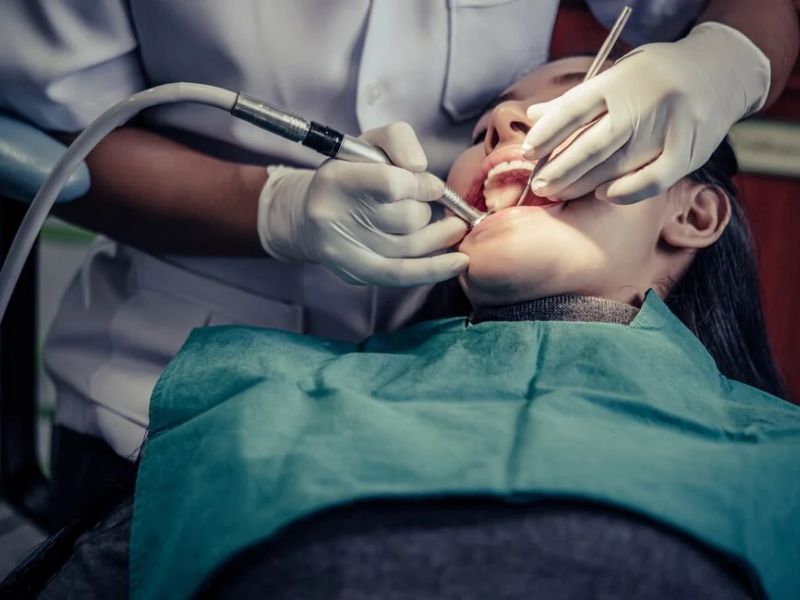
Root canal treatment removes infected or damaged tissue from inside a tooth to help save it. Root canal treatment in Windsor is similar for front teeth and molars, but molars often take longer to treat because they usually have more roots and canals. Recovery depends on the infection, the amount of damage, and whether the tooth needs a crown. Front teeth help bite into food, while molars handle most chewing and grinding. These differences affect how the dentist treats each tooth and how it may need to be protected afterward.
Understanding these differences can help you know what to expect during treatment and recovery.
How Does a Root Canal Differ Between Front Teeth and Molars?
The main difference is the number of canals inside each tooth. Front teeth usually have one canal, while back teeth often have several canals that need to be cleaned.
During treatment, the dentist removes the damaged tissue, cleans the canals, and seals them to help prevent further infection.
A front tooth root canal is often more straightforward because the tooth usually has a simpler internal structure. Molars are larger and have a more complex canal system, so that treatment may take longer.
Both treatments aim to save the natural tooth and address problems caused by infection or damage.
Why Do Molars Often Need More Treatment Time?
Molars usually take longer to treat because they have more canals, which may be narrow or curved. Each canal needs to be cleaned and sealed carefully to reduce the chance of infection remaining inside the tooth.
The process may involve:
- Examining the tooth and taking X-rays.
- Numbing the area to help keep you comfortable.
- Making a small opening to reach the damaged tissue.
- Cleaning and shaping each canal.
- Filling and sealing the canals.
- Placing a temporary or permanent filling, with a crown if needed.
A front tooth may need less treatment time because its canal system is often simpler. However, the length of treatment depends on the tooth’s condition, the extent of infection, and the shape of its canals.
Do Front Teeth Need a Crown After a Root Canal?
Not always. A front tooth may only need a filling if enough healthy tooth structure remains, while a crown may be recommended if the tooth is badly damaged or weakened.
Front teeth generally handle less chewing pressure than molars. If most of the tooth remains strong, a filling may be enough to seal the opening made during treatment.
A crown may be needed when:
- A large part of the tooth is missing.
- The tooth has a major crack or other damage.
- An existing filling is large, and the remaining tooth is weak.
- The tooth needs more protection against breaking.
The final choice depends on how much healthy tooth tissue remains, the tooth’s location, and the forces applied to it.
What Is Molar Root Canal Recovery Like?
After a molar root canal, your tooth may feel sore for a few days, especially when chewing. This may happen because the tissues around the tooth are irritated by the infection or treatment.
To help your tooth heal:
- Eat soft foods if chewing hurts.
- Avoid hard, crunchy, or sticky foods on the treated side.
- Brush twice a day and gently clean between your teeth.
- Take pain medicine as directed by your dentist.
- Attend follow-up visits and get the recommended filling or crown.
The soreness should slowly get better. Contact a Windsor dentist if the pain gets worse, swelling develops, or your bite feels uneven. If you have trouble breathing or swallowing, seek emergency care.
How Does Recovery Differ Between Front Teeth and Molars?
Recovery depends more on the infection and the health of the tissues around the tooth than on its location. Back teeth need extra care when chewing because they handle more pressure.
After treatment, keep these tips in mind:
- Front teeth: Avoid biting hard foods if the tooth is sore or has a temporary filling.
- Back teeth: Chew on the other side if needed, especially if the tooth does not yet have its final crown.
- Both types: Keep the area clean and follow the dentist’s instructions.
A dentist in Windsor can check the treated tooth, assess your bite, and confirm whether the final restoration is ready.
Protect Your Natural Tooth With Timely Care!
A damaged or infected tooth does not always need to be removed. With the right care, it may be possible to preserve the natural tooth and maintain its function for years to come. Book your appointment at Wonsch Dental to discuss any tooth pain or concerns, learn which treatment options may suit your needs, and find out how to protect your tooth during recovery.
FAQs
Is a molar root canal more painful than a front tooth root canal?
No, not always. Both treatments use medicine to numb the area and reduce pain. Soreness afterward depends on the infection, the tooth’s condition, and how it heals.
How long does a root canal take?
A front tooth may take less time because it usually has fewer canals. Molars often take longer, and some cases may require more than one appointment.
Can you eat normally after a root canal?
Soft foods are often easier to manage during early recovery. Avoid hard foods and chewing on the treated tooth until your dentist confirms it is safe.
Why do molars often need crowns?
Molars handle much of the pressure from chewing. A crown may help protect a weakened molar from breaking, especially when a large amount of tooth structure has been lost.
Front Tooth vs Molar Root Canal: How Do Treatment and Recovery Differ?