
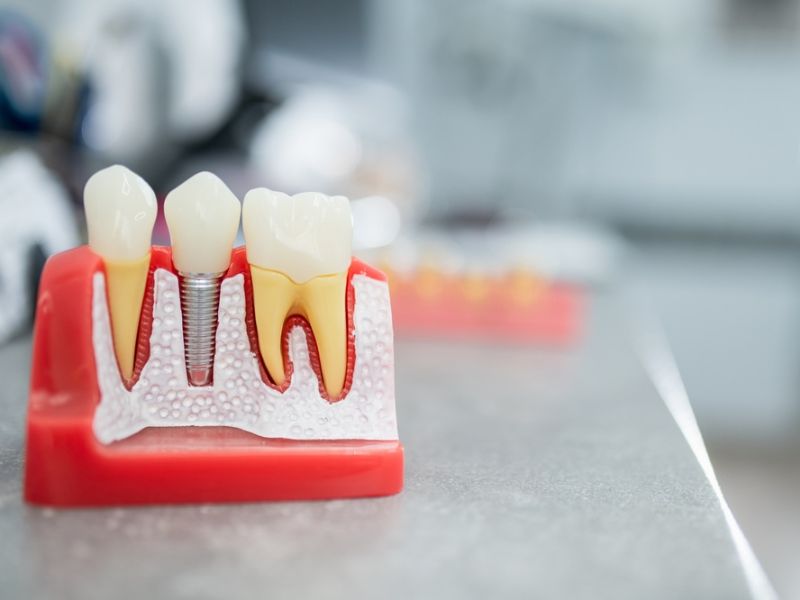
Curious about what you need to know beforehand, during, and even after your dental implant procedure? Dental implants in Windsor can restore missing teeth by using an effective tooth replacement that is meant to provide assistance when doing daily tasks like talking and eating. The process includes the planning, placement of implants, waiting period, and the placement of a replacement tooth.
Understanding the steps involved in this procedure can prove to be helpful for you.
What Happens Before Dental Implant Surgery?
The first step in the process is a thorough evaluation of the mouth. The health of the gums, jawbone, and the teeth close to the site of the implant are evaluated to find out whether an implant can be placed.
The steps involved in the assessment include:
- History of your dental or medical problems
- Examining the teeth and gums
- X-ray or 3D scan of the mouth
- Analysis of jawbone availability
- Setting treatment objectives and alternatives
In cases where there is insufficient bone available for the implants, further treatment might be necessary.
How Are Dental Implants Placed?
Dental implants in Windsor are placed through a carefully planned surgical process. The implant itself is a small post that is positioned in the jawbone to act as a stable support for a future replacement tooth.
During the appointment:
- The area is numbed to help maintain comfort.
- A small opening is made in the gum.
- The implant is placed into the jawbone.
- The area is closed and allowed to heal.
The exact steps can vary depending on the number of implants being placed and the condition of the mouth.
What Happens After Implant Surgery?
After surgery, the treated area needs time to heal. The implant gradually becomes stable within the jawbone before the final replacement tooth is attached.
During the healing period, it is important to:
- Follow all aftercare instructions.
- Keep the mouth clean as directed.
- Avoid putting unnecessary pressure on the surgical area.
- Choose softer foods when recommended.
- Attend scheduled follow-up visits.
Healing time varies from one person to another and depends on factors such as the location of the implant and individual healing.
How Is Dental Implant Pain Managed?
Dental Implant Pain Management centers around managing pain in the post-surgical recovery phase. Some level of pain, swelling, or soreness may develop following the surgical procedure; however, these effects tend to subside during the recovery process.
Some strategies for pain management include:
- Taking prescribed pain medication
- Application of a cold pack as recommended
- Consumption of soft foods during the initial recovery stage
- Avoidance of strenuous activities when required
- Compliance with instructions from your dentist
If you experience any severe pain, it is best to contact a dental clinic near you immediately.
How Does a Dental Implant Replace a Missing Tooth?
A missing tooth replacement with an implant usually involves more than one part. The implant post provides support, while an abutment connects the implant to the final restoration.
The completed replacement may help:
- Restore chewing function
- Fill an unwanted gap.
- Support a more natural-looking smile.
- Provide a stable alternative to some removable replacements.
- Help maintain the position of nearby teeth.
The final restoration is selected according to the number of missing teeth and individual oral health needs.
What Role Does a Dental Clinic Play in Implant Treatment?
A dental clinic in Windsor can help coordinate the different stages of implant treatment, from the initial assessment to follow-up care. Careful planning is important because the health of the gums, jawbone, and remaining teeth can affect the treatment approach.
Regular monitoring can help check healing and confirm that the implant is progressing as planned. Ongoing oral hygiene and dental visits also remain important after treatment is completed.
What Can You Expect During Implant Recovery?
Recovery is an important part of the overall treatment process. The first few days may involve some swelling or tenderness, followed by gradual improvement.
Helpful recovery habits may include:
- Following the recommended cleaning routine
- Avoiding smoking or tobacco products
- Eating foods that are easier to chew
- Taking prescribed or recommended medication as directed
- Keeping follow-up appointments
The recovery experience can differ based on the complexity of the treatment and individual health factors.
Move Forward With a Confident Tooth Replacement Plan!
Replacing a missing tooth requires more than simply filling a space. A thorough evaluation can help assess the health of the gums and jaw, determine whether implant treatment is suitable, and explain each stage of the process, from preparation and surgery to healing and final restoration.
Schedule a consultation with Wonsch Dental to learn more about your missing tooth, know the dental treatment options available for you, and get professional advice on the solution that suits you best.
FAQs
Is dental implant surgery painful?
The treatment area is numbed during surgery. Some soreness or swelling may occur afterward, but recommended pain management can help make recovery more comfortable.
How long does dental implant treatment take?
The overall timeline varies. Healing and implant stability may require several months before the final restoration is placed.
Can every missing tooth be replaced with an implant?
Not everyone is an immediate candidate. Gum health, jawbone support, overall health, and other factors must be assessed first.
What should be avoided after implant surgery?
Avoid activities that may interfere with healing, such as smoking and placing unnecessary pressure on the treated area. Follow the specific aftercare instructions provided.