

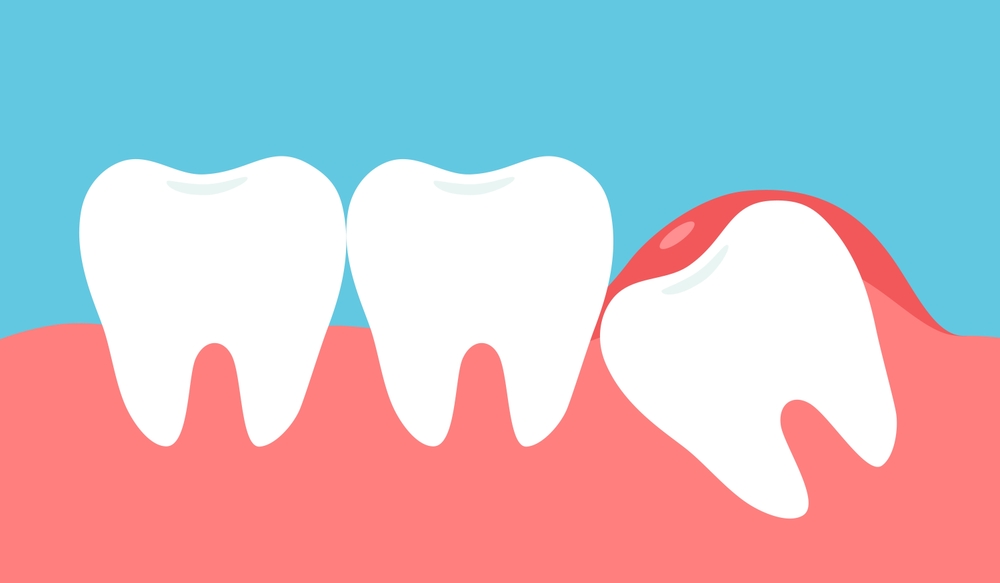
Wisdom teeth are the last teeth to grow in your mouth. They usually come in between the ages of 17 and 25. But sometimes, there is not enough space for them to grow the right way. When this happens, the tooth becomes impacted. An impacted wisdom tooth stays stuck under the gums or grows at the wrong angle.
Many people do not know they have an impacted tooth until they feel pain. In this blog, we will talk about the signs of impacted wisdom teeth, why they happen, and the wisdom tooth extraction treatment your dentist in Windsor may suggest.
What Does “Impacted Wisdom Tooth” Mean?
An impacted wisdom tooth is a tooth that does not fully erupt into the mouth. It may be trapped inside the gum or jawbone. Dentists call this a “tooth eruption problem.” These teeth can cause pain, swelling, and infections if not treated.
Common Signs of Impacted Wisdom Teeth
Here are simple signs that may show you have an impacted tooth:
1. Jaw Pain or Pressure
You may feel pain in the back of your mouth. It can feel like pressure near your jaw or ear. This pain may come and go.
2. Swollen or Red Gums
Gums around the wisdom tooth can swell or get red. They may also feel tender when you touch them.
3. Difficulty Opening Your Mouth
Some people feel tightness when opening their mouths. This happens because the jaw muscles become sore.
4. Bad Breath or Bad Taste
An impacted tooth can get severely infected if food gets trapped near it. This leads to a bad smell or taste.
5. Headaches or Ear Pain
Impacted teeth can put pressure on nearby nerves. This sometimes causes headaches or pain near the ears.
6. Gum Infection
A common infection called pericoronitis can happen. It causes swelling, pain, and sometimes fever.
Quick Table: Signs of Impacted Wisdom Teeth
| Sign | What It Means |
| Jaw pain | Tooth pushing against bone or another tooth |
| Swollen gums | Gum tissue is irritated or infected |
| Bad breath | Food and bacteria stuck under the gum flap |
| Headache | Pressure on nerves near the jaw |
Why Do Wisdom Teeth Get Impacted?
Here are simple reasons:
- Not enough space in the jaw
- Wisdom tooth growing sideways.
- Tooth trapped under bone.
- Gums are too thick for the tooth to come out.
- Genetics (it runs in families)
Sometimes, even if you have no pain, the tooth can still be impacted. That’s why dental checkups are important.
How Dentists Diagnose Impacted Wisdom Teeth
Your dentist will:
- Check your mouth
- Take a dental X-ray
- Look at the angle of the wisdom tooth.
- Check for infection, cysts, or gum problems.
This helps the dentist decide the right wisdom teeth treatment for you.
Treatment for Impacted Wisdom Teeth
1. Monitoring
If the tooth is not causing harm, your dentist may watch it over time with X-rays.
2. Medicine for Pain or Infections
Your dentist may give you antibiotics or pain medicine to reduce swelling.
3. Wisdom Tooth Extraction (Most Common Treatment)
Most impacted teeth need wisdom tooth extraction because they cannot grow in the right way. This procedure is safe, common, and done by a dentist at adental clinic for tooth extraction treatment.
What Happens During Wisdom Tooth Extraction Treatment?
Here is the simple step-by-step:
- Numbing the area – The dentist gives local anesthesia so you feel no pain.
- Opening the gum: If the tooth is deep, the dentist may make a small cut.
- Removing the tooth – The tooth may come out whole or in small pieces.
- Cleaning the area: The dentist removes any infection or debris.
- Closing the gum: Sometimes stitches are used.
- Bite on gauze: This helps stop bleeding.
The whole process is usually quick and safe.
Healing After Wisdom Tooth Removal
Most people heal in a few days. Here are simple care tips:
- Use an ice pack for swelling
- Eat soft foods like yogurt or soup.
- Do not drink with a straw for 24 hours.
- Brush gently near the area.
- Take medicines as advised.
- Rest your mouth for a day.
If you feel too much pain or swelling after 3 days, call your dentist.
When Should You Visit a Dental Clinic Near You?
Visit a clinic if you notice:
- Pain that does not stop
- Gum swelling
- Bad breath
- Trouble opening your mouth
- Food getting trapped
- Repeated infections
These signs mean you may need a wisdom tooth extraction in Windsor to protect your mouth.
Improve Your Oral Health With Wisdom Teeth Treatment!
At Wonsch Dental, we help patients stay comfortable and pain-free with safe wisdom tooth removal. Our dentist checks your teeth, takes X-rays, and explains the treatment in simple words. We use gentle techniques to remove impacted teeth and protect your gums. Our team is friendly, trained, and ready to guide you from start to finish. Call Wonsch Dental to book your visit.