

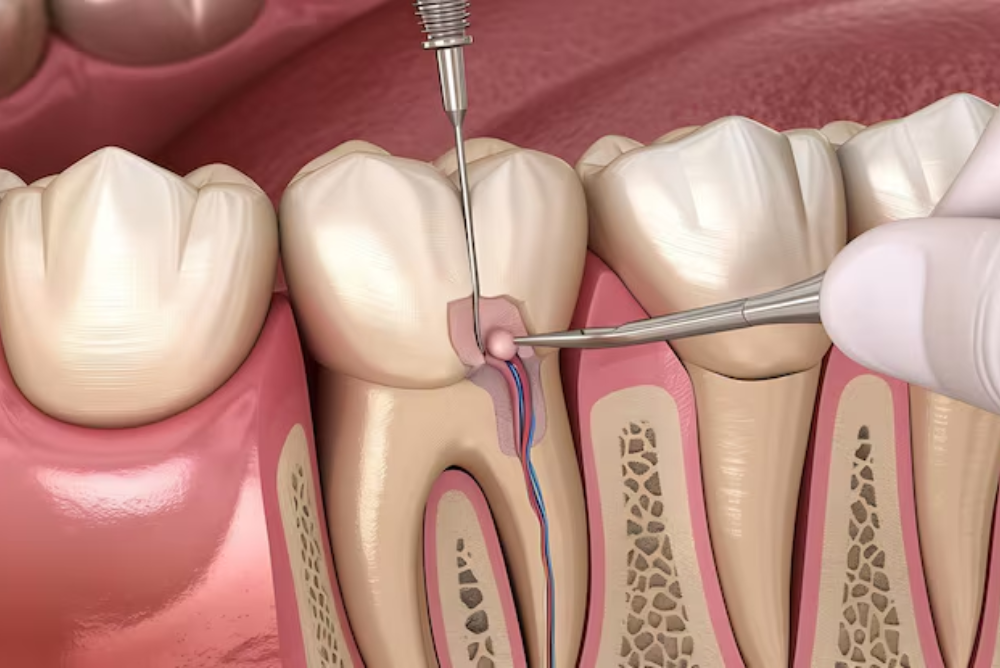
Do you feel anxious when you hear the word ‘root canal’? That’s perfectly fine. Many people think it is a painful treatment, but it’s an old myth. Today, dentistry is safe, gentle and strives to ensure your comfort. When you visit a dentist, you can expect an easy, stress-free process that relieves pain, saves your natural tooth, and keeps your smile healthy for years.
What is Root Canal Therapy?
Root canal therapy is a treatment used to fix a damaged or infected tooth. It removes the infected part inside the tooth and seals it to prevent further problems.
Patients seeking a root canal in Windsor, ON, often choose this treatment to avoid tooth removal and preserve their natural smile.
Is Root Canal Therapy Really Painful?
The simple answer is no. Root canal therapy is not painful. In fact, it helps relieve the pain caused by infection.
During the procedure:
- The area is numbed completely.
- You may feel slight pressure, not pain.
- The treatment removes the source of discomfort.
Most patients say it feels similar to getting a regular filling.
Why Do People Think It Hurts?
The fear around root canals usually comes from old stories or past experiences. Years ago, dental treatments were not as advanced as they are today.
Now:
- Modern tools improve accuracy.
- Better numbing methods reduce discomfort.
- Faster procedures make it easier for patients.
This is why visiting a dentist near you today feels much more comfortable than people expect.
Signs You May Need a Root Canal
You may need this treatment if you notice:
- Severe tooth pain when chewing
- Sensitivity to hot or cold
- Swollen or tender gums
- Darkening of the tooth
- A small bump on the gums
Ignoring these signs can lead to more serious problems, so early care is essential.
How Long Does a Root Canal Take?
A common question is, how long does a root canal take?
The answer depends on the tooth and level of infection, but usually:
- Most treatments take 60 to 90 minutes.
- Some cases may need two visits.
- Molars may take longer than front teeth.
Your dentist in Windsor will explain the timeline based on your specific case.
Benefits of Root Canal Therapy
Understanding the benefits of root canal therapy helps reduce fear and confusion.
Key benefits include the following:
- Relieves tooth pain quickly
- Saves your natural tooth
- Prevents the spread of infection
- Improves chewing and comfort
- Maintains your natural smile
This treatment is often the best option to protect your oral health.
What to Expect After the Treatment
After your root canal:
- Mild soreness is normal for a few days.
- You can return to normal activities quickly.
- Avoid hard foods until healing is complete.
- Follow your dentist’s care instructions.
Most patients feel better soon after the procedure because the pain source is removed.
How to Care for Your Tooth After a Root Canal
Taking care of your treated tooth helps it last longer.
Simple tips:
- Brush twice a day
- Floss daily
- Avoid chewing hard items.
- Visit your dentist regularly.
Good care helps keep your tooth strong for many years.
Ready to Save Your Tooth and End the Pain?
A root canal is not something to fear. It is a safe and effective way to relieve pain and protect your natural teeth. Delaying treatment can lead to more serious issues, so taking action early is always the best choice.
Book your appointment with Wonsch Dental today and receive expert care in a comfortable, supportive environment.
FAQs
Is a root canal worse than a tooth extraction?
No. Having a root canal is typically more comfortable, and it can save your natural tooth. In the case of extraction, healing time may be longer, and there is usually a need for replacement – an implant or a bridge.
Can I return to work after getting a root canal?
Of course, most patients can return to their routine the same day or the following day, depending on how they feel.
Will I experience pain after the procedure?
It’s fine if you feel some tenderness, soreness, or sensitivity for a few days – it rarely causes any problems and usually improves quickly!
Is a crown always necessary following a root canal?
Frequently, that’s accurate. A crown helps protect the treated tooth and restore its strength. Moreover, it can help prevent further damage, especially if inserted into a back tooth.